Tracking Your Habits with a Digital Planner: A Step-by-Step Guide

Updated: Nov 4, 2025
Creating habits that truly last isn’t about perfection — it’s about awareness, consistency, and kindness toward yourself. In a world that often praises constant productivity, habit tracking can be a mindful way to return to what really matters: your well-being and growth.
Whether you’re hoping to start journaling regularly, drink more water, or stay consistent with your self-care, a digital planner can be your gentle accountability partner — flexible, inspiring, and completely tailored to your life.
In this step-by-step guide, we’ll explore how to use a digital planner for habit tracking, how it can improve your focus and well-being, and how to build a routine that feels nourishing rather than overwhelming.

Why Tracking Habits Matters for Mindful Living
Habit tracking isn’t just about ticking boxes — it’s about cultivating awareness. When you track your habits mindfully, you’re not only measuring progress but also connecting with how your daily choices shape your life.
Each checkmark becomes a moment of reflection: How do I feel when I do this consistently? What changes when I skip it?
Building habits through digital planning also offers flexibility — no more starting over every month or running out of space. You can easily edit, duplicate, or redesign your layouts as your goals evolve.
The Mindful Difference
Unlike traditional to-do lists, mindful habit tracking helps you:
Recognize your emotional patterns.
Focus on progress, not perfection.
Identify habits that nourish your energy — and release those that don’t.
Stay motivated through visual satisfaction and reflection.
If you want to take your habit-tracking journey deeper, explore how journaling can become a daily moment of calm and connection. In the post "How to Create a Digital Journal That Feels Like Your Safe Space", I’ll show you how to design a digital journal that feels safe, soothing, and perfectly aligned with your emotional rhythm — a place to reflect, release, and reset.
Step 1: Define What You Want to Nurture, Not Just Achieve
Before you start adding habits to your tracker, take a moment to reflect on your why. What’s the deeper reason behind the habit you want to build?
Instead of focusing on “I have to work out daily,” try shifting it to “I want to feel more energized and connected to my body.”
This approach — aligning habits with emotions and intentions — transforms habit tracking into a form of self-care and self-awareness.
Try this journaling prompt:
“What habits make me feel grounded, calm, or fulfilled — even on busy days?”
Want to turn your routines into rituals? Download the free Mindful Habit Tracker and begin softly.

Step 2: Set Clear and Achievable Goals
Before diving into habit tracking, start by defining what you want to achieve. Your goals should be clear, specific, and achievable. For example:
Daily hydration goal: Drink 8 glasses of water or 2 litres a day.
Reading habit: Read for 20 minutes every day.
Fitness routine: Exercise for at least 30 minutes, 3 times a week.
By clarifying your objectives, you can better identify which habits to track. Your digital planner's Habit Tracker template is perfect for setting up daily, weekly, or monthly goals.
Step 3: Choose (or Design) Your Digital Habit Tracker Layout
The beauty of digital planning lies in its flexibility. You can create your own tracker or use a pre-designed habit tracker template inside your digital planner.
How to Choose the Right Layout
Weekly Habit Trackers: Perfect for tracking 5–10 small habits with quick daily check-ins. This layout helps you see how often you stick to your habits over a shorter period.
Monthly Trackers: Great for visualizing consistency and spotting patterns over time.
Mood + Habit Combo Trackers: Useful for connecting your emotional well-being to your routines.
Wellness Trackers: Combine physical, mental, and spiritual self-care goals for holistic balance.
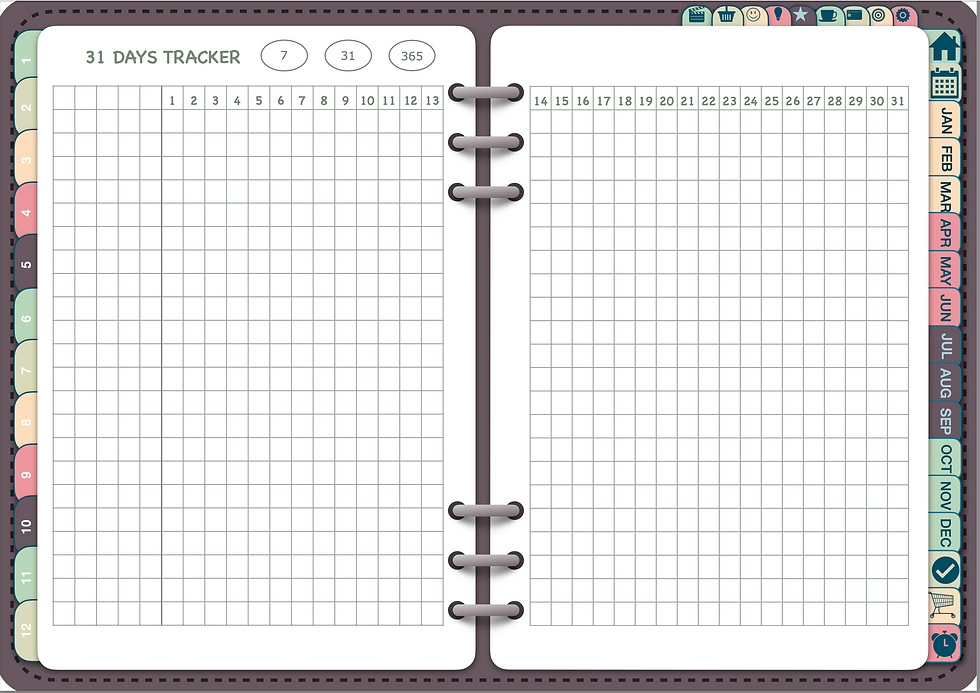
Choose the layout that best aligns with your goals and planning style. For example, if you're starting with a new habit, a weekly tracker might be more manageable, while a monthly tracker can be more suitable for established habits.
If you use apps like Goodnotes, Notability, or Noteshelf, you can easily add your planner pages, use highlighters or digital stickers, and customize layouts to reflect your priorities.
Step 4: Start Small — The 3-Habit Rule
When you start habit tracking, it’s tempting to add everything — exercise, reading, journaling, meditation, hydration, skincare, etc. But adding too much too soon often leads to burnout.
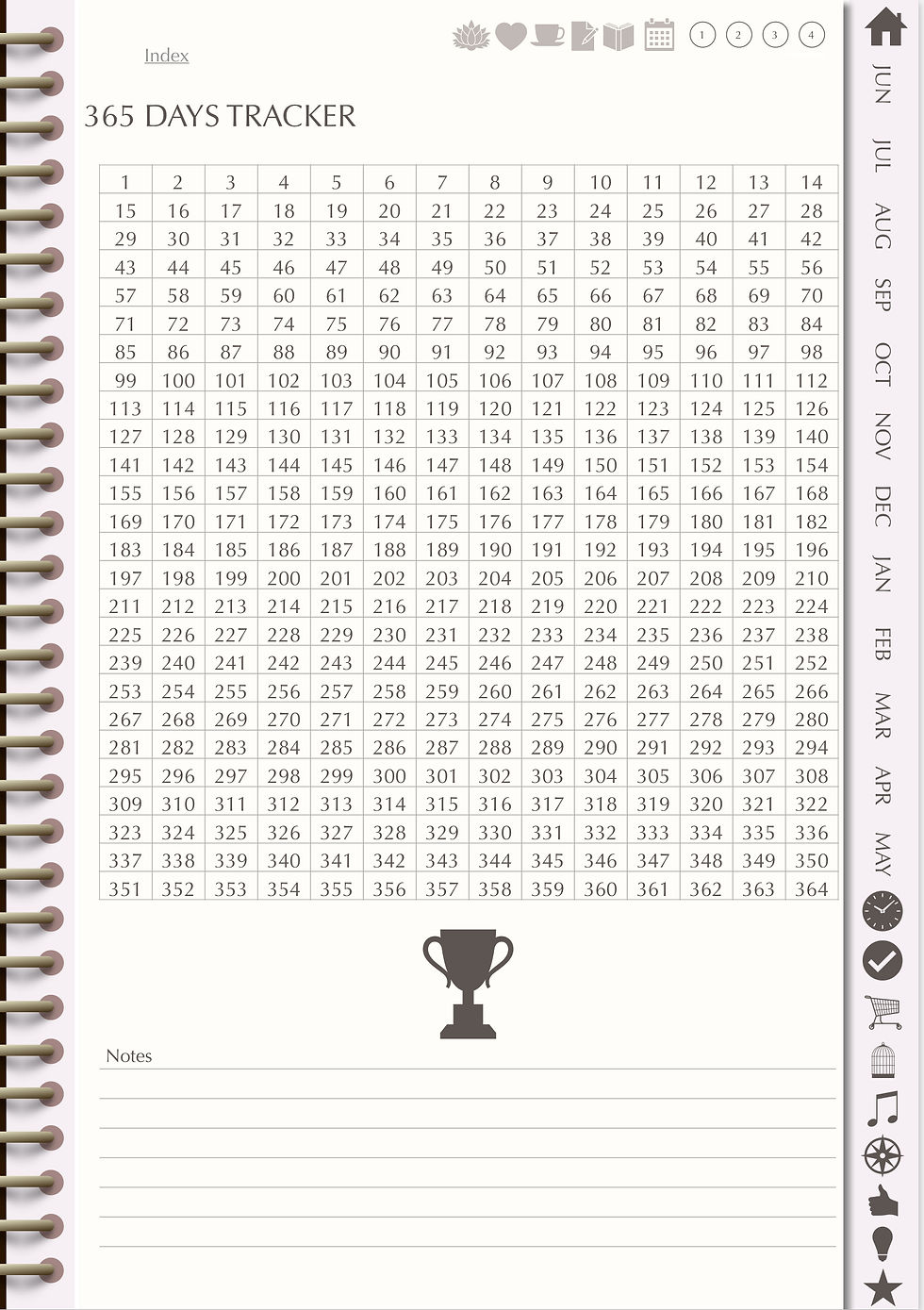
Try the 3-Habit Rule:
Focus on just three habits that support your physical, mental, and emotional balance.
For example:
Physical (ex. Health Habits): Drink enough water, get 8 hours of sleep, exercise daily, go for a walk every morning.
Mental (ex. Productivity Habits): Journal for five minutes before bed, plan your day, complete top 3 tasks, limit screen time.
Emotional/Spiritual (ex. Wellness Habits): Practice gratitude, meditate, take time for self-care.
These micro-habits build gentle momentum and remind you that consistency is more powerful than intensity.
The key is to choose habits that are meaningful and align with your goals.
Step 5: Make It Visual and Rewarding, Log Your Progress Daily
Consistency is key when it comes to habit tracking. Make it a daily ritual to update your habit tracker. Whether you do it in the morning as part of your daily planning or at night as a reflection activity, keeping it consistent helps solidify the habit. Use the checkbox format, color codes, or symbols to mark progress. For example:
✔️ for completed habits
✖️ for missed habits
🟡 for partial completion
Visual progress keeps motivation alive. One of the joys of digital habit tracking is the ability to personalize your layouts — adding color codes, progress bars, icons, or digital stickers to celebrate your wins.
You can even integrate your tracker into your daily planner spread, making it easy to update each day.
Pro tip:
At the end of each week, highlight completed habits with calming colors or use a sticker that says “Proud of You.” Visual cues make your progress feel tangible and joyful.
Step 6: Reflect Weekly, Review Your Progress and Adjust as Needed
Progress Over Perfection
The real magic of habit tracking doesn’t lie in the checkmarks — it lies in the reflection. At the end of each week, take a few mindful moments to review your digital planner. Ask yourself:
Which habits were the easiest to maintain?
Which habits felt nourishing this week?
Which ones were the most challenging?
Which ones felt forced or heavy?
What patterns do I notice between my mood, energy, and consistency?
Use this review to adjust your approach. If a habit proves challenging, consider breaking it down into smaller, more manageable actions. For example, if exercising for 30 minutes is too difficult, start with 10-minute sessions and gradually increase the time.
This isn’t about judging yourself — it’s about listening. Some weeks you’ll check every box; others, you’ll barely open your planner. Both are valuable data. When you approach reflection with curiosity instead of criticism, you start to see what truly supports your well-being.
Gentle Tip:
Use your planner’s notes section or journaling space to write a brief weekly reflection — even two sentences can help you realign. For example:
“This week, I felt calmer when I did my morning walk. Next week, I’ll try to keep that as my anchor.”
Over time, these reflections turn into a self-awareness archive — a record of your growth that helps you stay compassionate and consistent, even when progress feels slow.
Step 7: Adjust and Evolve with the Seasons
Habits aren’t meant to be fixed; they’re meant to flow. As the seasons of your life change, so will your needs. The digital planner gives you the flexibility to adapt your system — add new habits, pause old ones, or redefine what “consistency” means.
For instance:
In winter, your self-care habit might focus on rest and warmth — journaling by candlelight, early nights, nourishing meals.
In spring, you may shift toward energy — morning walks, decluttering, creative projects.
Your digital habit tracker is not just a productivity tool; it’s a mirror reflecting your evolving life rhythm.
Pro tip: Schedule a “seasonal reset” in your planner every 3 months to review your routines. This helps prevent burnout and keeps your habits aligned with who you are becoming — not just who you were.
Step 8: Celebrate Small Wins
Too often, we move straight from one goal to the next without pausing to celebrate how far we’ve come. In your digital planner, create a “Wins” page — a place where you record every moment of progress, no matter how small.
Did you meditate three times instead of five? That’s a win.
Did you finally start the gratitude journal you’ve been thinking about? Another win.
Did you take a full day off without guilt? A huge win.
You can even add visual stickers, gold stars, or photos that represent milestones. These joyful reminders fuel intrinsic motivation and help you stay connected to the why behind your habits.
Remember:
Perfection is not the goal — presence is. Your planner becomes not just a place to plan your days, but a gentle witness to your personal evolution.
My Habit-Tracking Journey
When I first started using a digital habit tracker, I thought I needed to fill every square — daily journaling, yoga, water intake, reading, all checked off without fail.
But over time, I realized the point wasn’t to be perfect — it was to be present.
One week, I noticed I skipped journaling every time I felt overwhelmed. Instead of feeling guilty, I turned that observation into a new micro-habit: write one sentence when tired. That small shift turned resistance into flow.
The beauty of digital planning is that it grows with you. You can rearrange pages, redesign layouts, or change your tracking method as your lifestyle evolves.
That’s what makes it so powerful — your planner becomes a living reflection of your journey toward balance, self-understanding, and gentle growth.
Gentle Reflection Prompts for Your Planner
Add these prompts to your digital journal or reflection page:
What habit am I most proud of nurturing this month?
Which habit feels out of alignment right now, and why?
How does my current routine support (or drain) my energy?
What’s one small change that would make next week feel lighter?
You can revisit these at the end of every month to create a meaningful connection between your actions and your emotional well-being.
How a Digital Planner Enhances Your Habit Tracking
A digital planner is more than just a scheduling tool. It’s an interactive platform where you can customize your habit tracker, visualize progress, and integrate it seamlessly with your daily planning. Here’s why it’s a game-changer:
Customizable Templates: Personalize your habit tracker layout, colors, and design to suit your style and preferences.
Easy Navigation: Hyperlinked pages in your digital planner make it easy to switch between your habit tracker, daily schedules, and notes.
Portability: With a digital planner on your tablet or iPad, you can update your tracker anytime, anywhere.
Extra Tips for Successful Habit Tracking
Use Reminders: Set reminders to check in with your habit tracker.
Pair Habits with Existing Routines: Link new habits to established routines for a smoother transition (e.g., track water intake after each meal).
Reflect Regularly: Take notes on your mood, energy levels, and overall well-being in your digital planner’s journaling section.
Tracking Habits as a Mindful Practice
Tracking your habits with a digital planner isn’t about control — it’s about care. It’s a compassionate system that helps you align your daily choices with the life you truly want to live.
When used mindfully, your planner becomes more than an organizer — it becomes a sanctuary of self-awareness. A place where growth feels gentle, success feels personal, and every tiny step forward matters.
Try It for Yourself
If you’re ready to start, explore my All-in-One Digital Life Planner — it includes habit tracker templates, wellness logs, and self-care checklists to help you stay consistent with ease.
You don’t have to change your whole life overnight — just begin with one small, kind habit today.


Comments